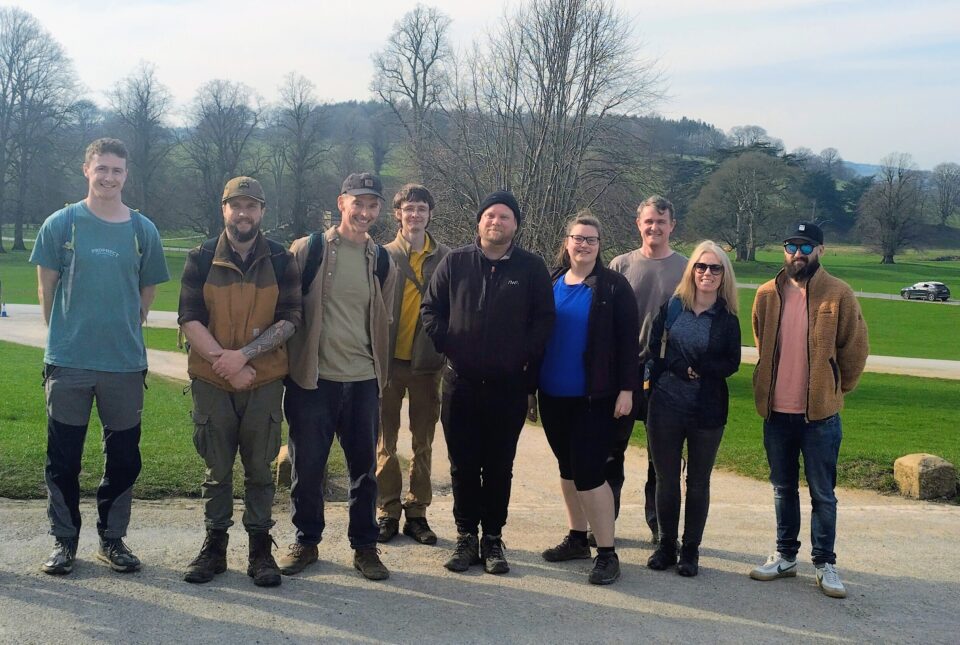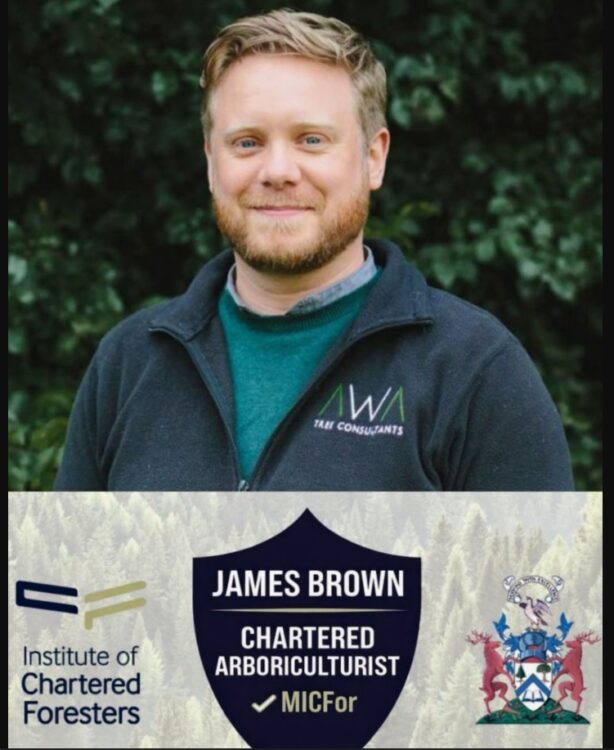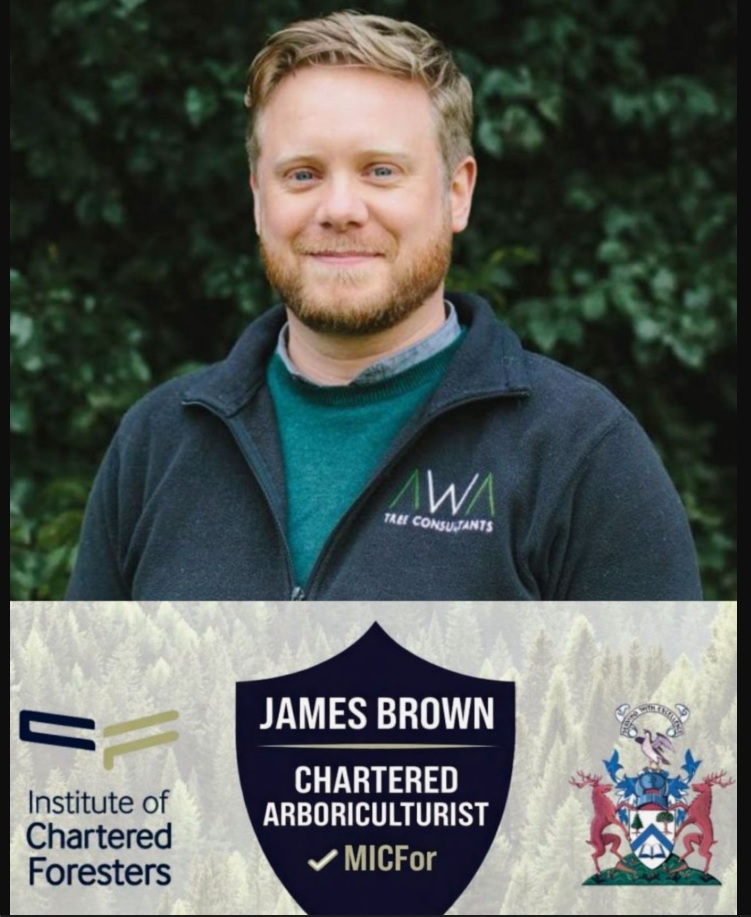


Celebrating James Brown Becoming a Chartered Arboriculturist
2nd March 2026
Welcome to AWA Trees:
6th May 2026Planning Appeal Success: Expert Arboriculture Cuts Through the BS (5837)


At AWA Tree Consultants, we spend a lot of time helping clients navigate difficult planning situations, particularly where trees are seen as a block to development rather than part of a solution.
Our recent appeal success in Wetherby Leeds is a good example of how clear, evidence-based arboricultural advice can unlock development, even in the face of strong Local Authority resistance.
The Situation
A proposed development at the former Mercure Hotel site, comprising a Lidl foodstore and care home, was refused by Leeds Council Local Planning Authority.
The refusal centred on trees. Concerns, by a Landscape Officer, were raised about tree loss, the impact on retained trees, the level of replacement planting, and wider policy conflicts around climate and biodiversity
In simple terms, the scheme was judged to have an unacceptable arboricultural impact.
Our Role
We were instructed to prepare a BS5837 Arboricultural Impact Assessment for the application
We found the tree cover to be largely made up of lower quality Category C trees, with a number showing limited long-term prospects, yet despite this, the retention of many suitable trees was practicable.
The key point wasn’t controversial. Retaining every last tree would not have resulted in a better development or a better landscape.
Where It Became Difficult
Despite clear evidence, Leeds Council maintained a firm position. The discussion focused heavily on tree numbers, replacement ratios, and strict policy interpretation, with less weight given to tree quality, condition, or long-term suitability.
This is something we’re seeing more frequently. Whereby tick box council responses overrides professional judgment.
What the Appeal Confirmed
The Planning Inspector took a more measured view, in line with our original arboricultural impact assessment.
They found that many of the trees on site were of limited significance, often immature or in poor condition. The loss of some lower value trees was accepted as necessary to enable the development, and the proposed impacts to retained trees were considered minor and manageable. It noted the scheme would not remove any significant arboricultural features.
Importantly, the decision recognised that a well-designed scheme, supported by new planting, would deliver a stronger long-term landscape than trying to retain a collection of unremarkable trees.
That conclusion aligned closely with our original assessment.
The Outcome
Planning permission was granted.
The site can now be brought back into use, delivering new infrastructure alongside a landscape strategy that is structured, achievable, and designed for the future, not just to satisfy short-term policy expectations.
What This Means in Practice
If you’re dealing with a challenging planning situation, particularly where responses feel blunt or “cut and paste”, it’s worth remembering that tree-related objections often appear definitive, but they rarely are.
With the right approach, they can be properly understood, tested, and, where appropriate, successfully challenged.
That’s where experienced Chartered Arboriculturist input makes a real difference. Not just in assessing trees, but in helping design teams and decision-makers focus on what actually matters – and what will stand up to scrutiny.
A Wider Issue
This case reflects a broader trend—what can sometimes feel like “computer says no” responses—where it’s fair to question how closely a site or the submitted arboricultural information has really been considered.
We’re seeing decisions increasingly shaped by inflexible metrics: tree numbers, replacement ratios, rigid stand-off distances, and, of course, biodiversity net gain calculations. Too often, these are applied without a balanced assessment of site context or the actual arboricultural value of what’s on the ground.
Those tools absolutely have their place. But they are only part of the picture. Used in isolation, they can lead to positions that are overly rigid and difficult to justify when properly examined.
As this appeal demonstrates, evidence and professional judgment still carry weight — particularly when tested through the planning process.
Final Thought
Good arboriculture isn’t about preventing development. It’s about shaping it properly.
When that principle is followed, outcomes tend to be better, for clients, for sites, and ultimately for trees.
If you’re working with a tricky Council or have a difficult application or simply want a clear view on where you stand, we’re always happy to talk.
Get in Touch
If you need support with a planning application, appeal, or a site with complex tree constraints, contact AWA Tree Consultants.
We’ll give you straightforward, practical advice and help you move things forward with confidence.